
Paver sealing for Ortega homes
Paver Sealing in Ortega, FL
Ortega's round parks and river docks have their own paver wear, so call (904) 966-4279 for a free sealing estimate.
- Brings out deeper paver color
- Fresh joint sand helps lock pavers in place
- Gives weeds less room to grow
- Makes the surface easier to keep clean
- Free estimate, no obligation
Request a Free Estimate
Free, no obligation.
Fast, careful paver sealing in Ortega
Paver sealing is available across Ortega, from the circle parks of Old Ortega to Ortega Forest and the streets near Venetia. A local contractor washes, re-sands and seals courtyards, drives, walks and pool decks, and the visit to estimate is free. If you book your free estimate now, plan on a reply within 1 business day, usually far sooner.
Picture a courtyard where the color has gone flat, the joints are bare and acorn stains dot the corners. A wash, fresh sand and a new coat pull the pavers back into one tone. Call (904) 966-4279, tell the contractor what you see, and ask what a visit would cover. There is no cost for the estimate.
Why hire a local paver sealing contractor in Ortega?
Ortega homeowners pick a local paver contractor because a peninsula of water, big oaks and houses from the 1920s on all affect the plan. To hear how that fits your street, book your free estimate.
A free look
Ortega pavers get a free once-over from a local contractor, who quotes before you decide anything.
Posted rates to compare
Posted local rates of $1.75 to $3.25 per square foot give you a way to size up any Ortega bid.
A finish for the architecture
Matte keeps attention on a Mission or Tudor front. A wet look deepens color but shows scuffs sooner.
Your call, always
You choose the finish and the date. An Ortega estimate carries no obligation.
Get Your Free Estimate in Ortega
Tell us about your pavers in Ortega.
Free, no obligation
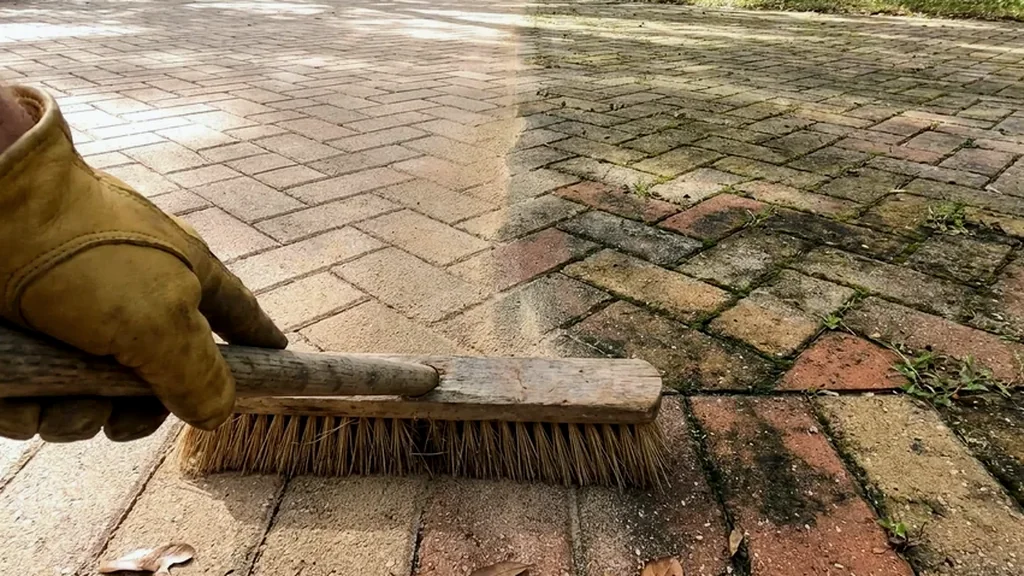
What paver problems show up most in Ortega?
Tides and dock-side splash
The St. Johns River is tidal far upstream, and the tides are especially strong near Jacksonville. Ortega sits between that river and the Ortega River, with docks at Seminole Park and a yacht club nearby. Pavers near a dock or seawall stay wetter and pick up more grime, so those areas dry slowly before sealing. Ask the contractor to check the lowest edge near the water for sand loss. Joints there empty first, and fresh sand goes in after the wash and before the coat. Photos of the dock edge and the low end of the walk help the contractor plan. Stockton Park sits on the St. Johns and Seminole Park has docks on the Ortega River, so the water is never far from a front walk.
Roots from mature live oaks
University of Florida extension says a mature live oak can spread 60 to 100 feet and that its roots can lift sidewalks, driveways and patios. Ortega has many old oaks around its circle parks. A lifted walk or an uneven apron is reset before sealing, since a coat keeps any dip it covers. Roots grow slowly, so a walk that has tilted a little each year can hide a larger lift underneath. A short look at the base tells the contractor whether a few pavers or a whole run needs resetting. UF/IFAS puts live oaks at 60 to 80 feet tall with a 60 to 120 foot spread, so the roots can reach well past the trunk line.
Acorn stains in the corners
Per UF/IFAS, acorns from water oaks leave stains on concrete and asphalt wherever they land. Paver corners under oak branches collect them, and the marks can set in. A sealed surface rinses more easily, but existing stains have to be treated first. Ask the contractor which spots are worth special attention. Raking acorns off a sealed surface is easier than scrubbing them out of a bare one, which is part of why owners seal. Still, the first cleaning has to deal with what has already set.
White haze on newer pavers
Ortega Forest has newer development west of Roosevelt Boulevard. Unilock says efflorescence, a white mineral deposit, is common on new concrete pavers and must be cleared before sealing, and suggests waiting two to three months or longer for it to fade. Sealing too early can trap it. If your pavers are less than a few months old, wait. A contractor can tell you when the haze has faded enough, and then the first coat goes on over a clean, even surface. If you have the installer's name, ask when the pavers went in. Stockton Elementary serves many Ortega Forest children, a sign of how many family homes there are newer than the old streetcar blocks.
Pool decks and Mediterranean courtyards
Old Ortega includes Mediterranean Revival homes, and Los Cedros is a 1925 Mediterranean mansion. Courtyards and pool decks in that style need a finish with grip. A Jacksonville company says a gloss is slippery when wet without an anti-slip additive. Ask about grip before you pick a gloss. A matte or natural finish with a grip additive is a common choice beside a pool. Mention if kids or older family members use the deck, since that changes the advice.
Why do Ortega's round parks matter to a paver contractor?
They tell the contractor how your street was built. Architect Henry Klutho planned Old Ortega with four circular parks, including Bettes Park and Cortez Park, and streets that radiate toward the water. A home near a circle often sits on a corner or a wedge-shaped lot. Tell the contractor which park you live near when you book your free estimate.
Beyond the circles, Ortega Point has wood-frame and Tudor houses, while Ortega Terrace has large stone and brick ones. Venetia, a 1925 Mediterranean-style development planned with canals and a yacht basin, was never finished after the 1926 collapse, and its gates still stand. Stone and brick beside pavers need careful rinsing, so call (904) 966-4279 and say what yours is made of. Each of those areas may call for different rinse care.
Old Ortega is on the National Register of Historic Places, and the city asks for a Certificate of Appropriateness for exterior work in a local historic district, driveways included. The city page does not name sealing. Check your address on the Land Development Map, ask city staff if you are unsure, and then book your free estimate.
What does paver sealing cost in Ortega?
Published prices for the region sit at $1.75 to $3.25 per square foot for clean, sand and seal, and one company says stripping a failed coat costs more. An Ortega job lands in that range based on acorn stains, lost sand and how much old coating there is. For a number on your pavers, book your free estimate.
Access shapes the price too. A courtyard behind a 1920s house, where gear is hand-carried, takes longer than an open drive in Ortega Forest. Prep runs two to three hours for each sealing hour, one company reports. Call (904) 966-4279 and describe the layout, and the contractor can say what applies.
| Paved area | Typical example | Clean, sand and seal |
|---|---|---|
| 300 sq ft | Small patio or walkway | $525 to $975 |
| 600 sq ft | Two car driveway | $1,050 to $1,950 |
| 1,000 sq ft | Large driveway or pool deck | $1,750 to $3,250 |
| 1,500 sq ft | Driveway plus pool deck | $2,625 to $4,875 |
Math based on the $1.75 to $3.25 per square foot that Northeast Florida paver companies published as of November 2026. Your contractor sets the actual price after seeing the surface. Repairs, leveling and stripping failed sealer are usually extra.
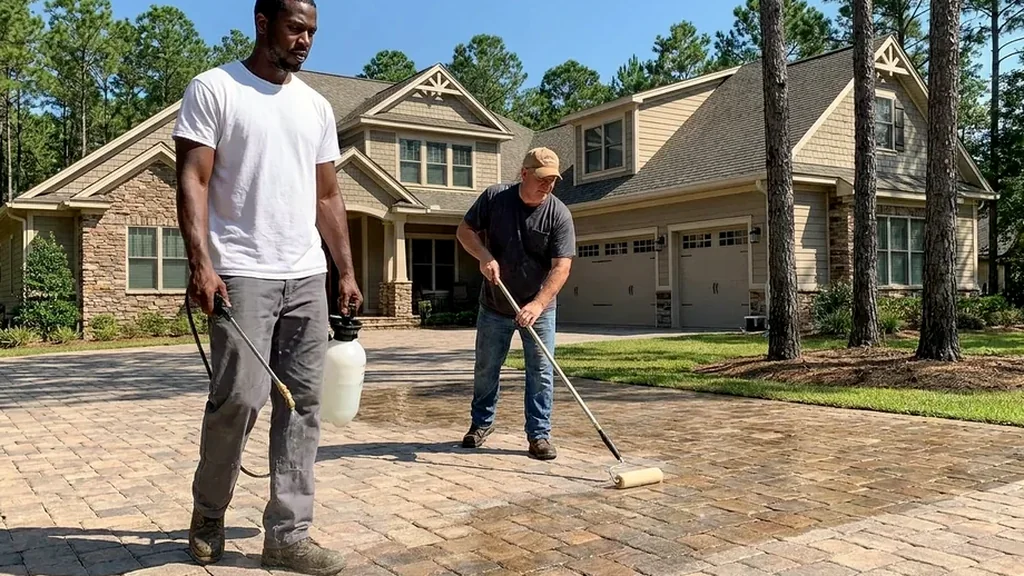
How does a paver sealing job work in Ortega?
Inspect oaks, water and old coat
The contractor walks the property to see where roots have lifted pavers, where docks or seawalls keep things wet and where acorns fall. Any earlier coat gets identified, because a water-based product cannot be laid over a solvent-based one. Send a few photos of the courtyard or drive if you can, since they sharpen the first answer. Say which circle park or cross street you are closest to, since Ortega's radiating layout makes that the quickest way to place a lot.
Wash away stain and film
Acorn stains, green film on damp edges and white haze on newer pavers come off in the wash. Stone, brick and wood beside the walk are kept clear of rinse water. Rust marks are treated first, since sealer would trap them. Walks beside the water or under heavy shade often need the longest wash.
Reset the root lift
Lifted or sunken pavers come up, the base is rebuilt and they are laid back level. Fresh sand goes into the joints because the wash takes the old sand out. The sandy ground across Duval County lets open joints widen quickly. Seminole Park and Yerkes Park show how much shade this peninsula holds.
Wait for dry
Sealing needs a dry surface, and a Jacksonville company says water that beads shows a sealer is working. Pavers near a dock, under dense oak shade or beside the river dry slowest. The contractor picks a dry day and moves the job if rain is likely.
Spray, back-roll, stay off
Professionals typically spray the sealer and then back-roll it into the joints. Per a Jacksonville company, people can walk on it within hours and cars wait about a day. Expect a new coat in two to five years, the span companies commonly quote.
Complete paver services in Ortega
Ortega work follows a set order: reset lifted spots, wash, re-sand, dry and seal. Sealer goes down last, so stain and film are not locked under it. A small courtyard can finish in a day, but a long drive takes more time. For your timeline, call (904) 966-4279.
Surfaces age differently here. Drives take tires and acorns, courtyards take shade and pool decks take splash, while dock and seawall edges stay damp longest. List every surface you want done when you book your free estimate, so the quote shows each line.
Pick water-based or solvent-based by what is already on the pavers, then pick matte or wet look. On a Mission or Tudor house matte tends to look right, while a wet look suits a newer home that wants more color. Call (904) 966-4279 to talk through the choice.
Scheduling follows weather and tide. Rain is heaviest from May to September, often in short, hard storms, and the driest months run from November through April. A contractor may suggest a window, not a single day. To pick one, book your free estimate and say when you are home.
Questions to ask before you hire
- What kind of weather is too hot or too humid for sealing in Florida?
- Do you replace joint sand that has washed out, or only add a little on the surface?
- Is your quote one price for the job or a price per square foot?
- How do you protect my plants, my landscape lights and the base of the house?
- Does the price include the pressure washing, or is that a separate line?
- How long should I keep the sprinklers off before and after the work?
- Will the sealer leave a glossy wet look or a natural matte one, and can I see a sample first?
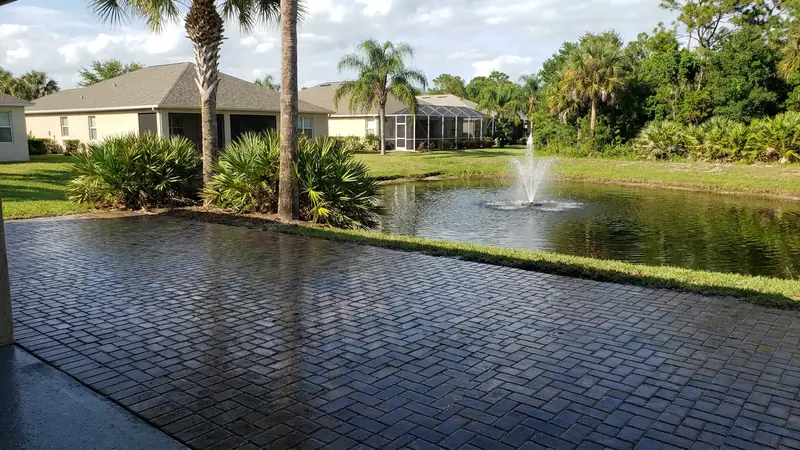
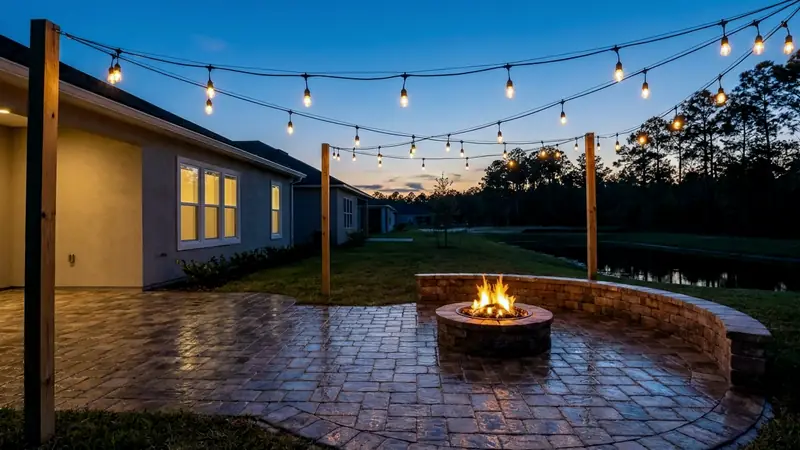
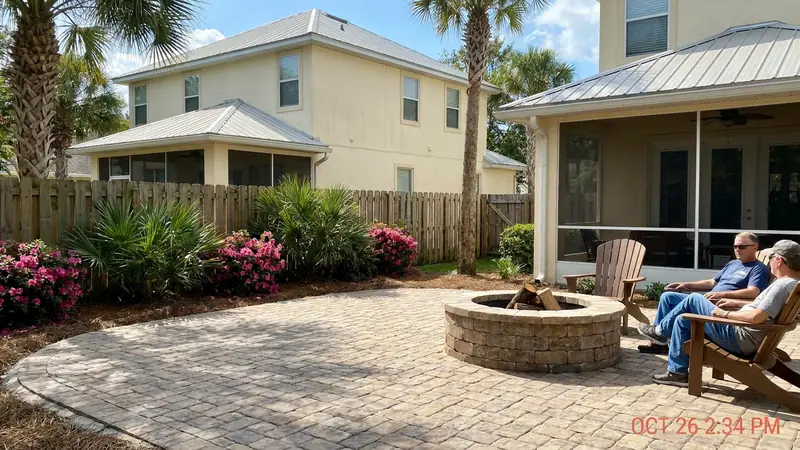
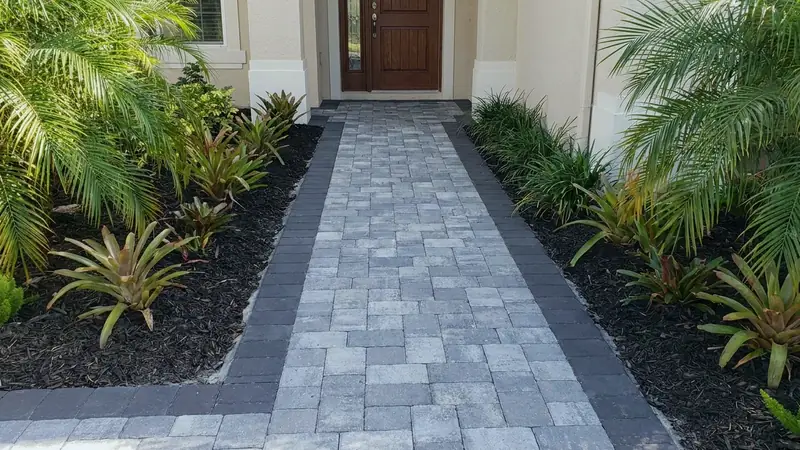
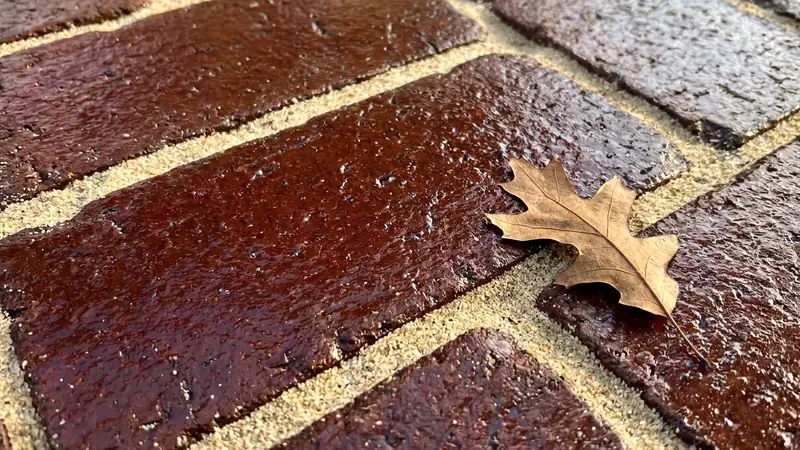
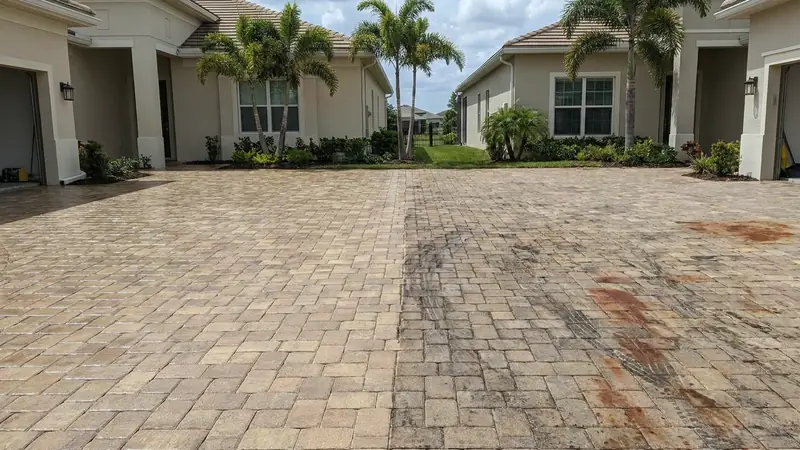
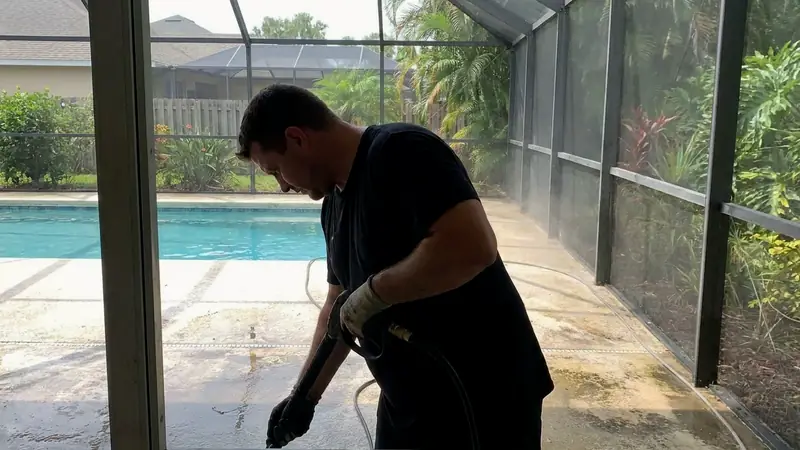
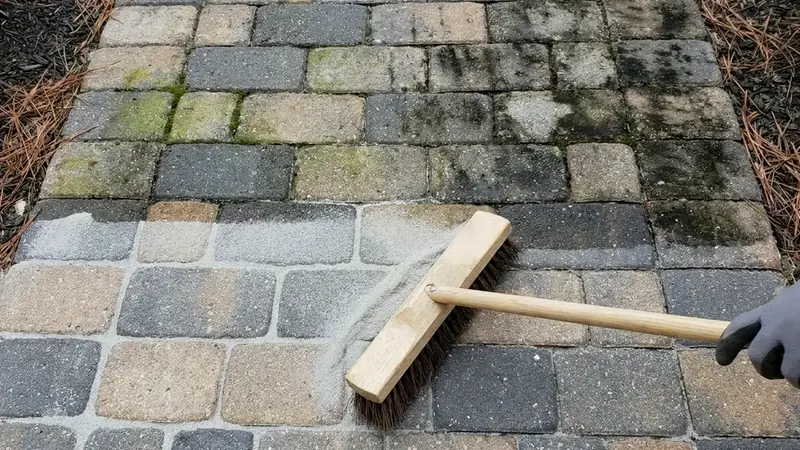
What do sealed pavers look like around Ortega?
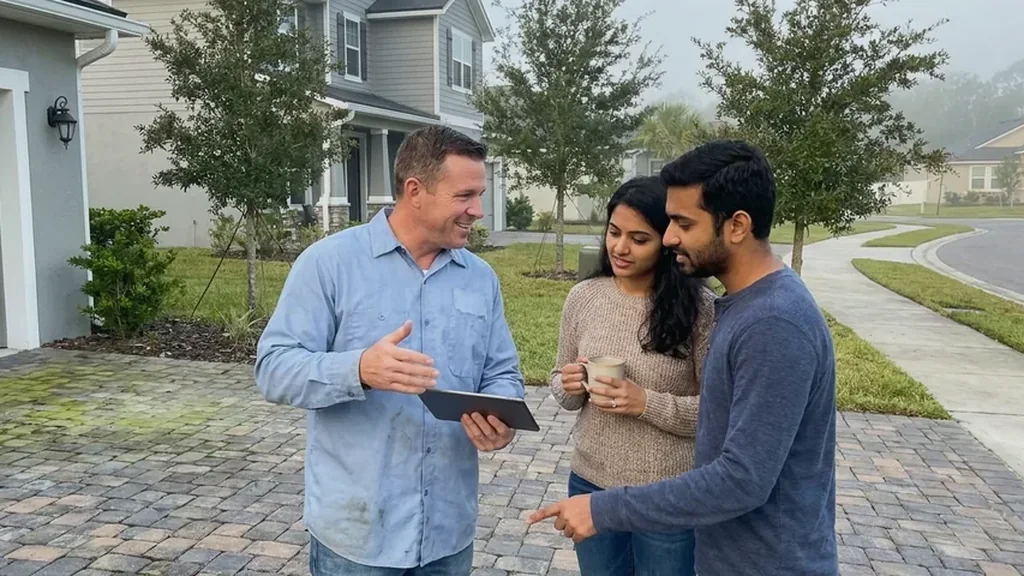
Why local matters in Ortega
A contractor who works Ortega will ask where your pavers sit in relation to the water. Docks, seawalls and the river all change how long pavers stay wet. That decides when the sealer can go on. For someone who plans around the water, call (904) 966-4279.
Local work also means knowing the trees. Ortega's old oaks drop acorns and lift walks, and a contractor who has seen it checks the roots and the corners first. If a tree sits close to your drive, book your free estimate and mention it so the crew can plan the reset.
The age of the houses matters as well. Frame, masonry, Mission and Prairie homes sit side by side in Old Ortega, and Ortega Forest has newer builds. Each asks for different care at the edge of the pavers. Call (904) 966-4279 with your street and the year your home was built.
Why is Ortega called a peninsula that used to be an island?
Ortega was an island until a land bridge was built at its southern end, and that bridge is now part of Roosevelt Boulevard. Water still wraps the east, north and west sides. The Ortega River Bridge opened in 1927, replacing a wooden bridge from 1908. If your home is near the bridge, book your free estimate.
The Florida Yacht Club's current clubhouse dates to 1928, and Timuquana Country Club has greens designed by Donald Ross. Ortega Village grew at the old streetcar turnaround near Cortez Park. Stockton Park sits on the St. Johns, and Seminole Park has docks on the Ortega River. If you are near one of these spots, call (904) 966-4279 and mention your street.
Frequently Asked Questions
Do pavers in Ortega do better with a sealer?
Yes, and oak-shaded Ortega pavers show why. A Jacksonville company says unsealed oil and tannin stains can soak in permanently, while sealed surfaces rinse clean. Sealing also slows fading and helps hold joint sand. A fresh coat is needed again after a few years. Pavers beneath the old oaks, where acorns and leaves collect, gain the most from a surface that rinses clean.
Why is paver sealing so expensive in Ortega?
Most of the cost is prep. One company puts preparation at two to three hours for every sealing hour. Reset work under oak roots and stain treatment add time, and small courtyards cost more per square foot. A courtyard behind an older house adds hand-carrying time on top of that prep.
What is the average cost to seal pavers in Florida, and in Ortega?
Posted rates here run $1.75 to $3.25 per square foot for the whole job, a useful yardstick for any quote. An Ortega quote depends on area, stains and any old coat that has to come off. Ask for the square footage in writing. If an old coat has failed, stripping it is extra, so ask whether your quote assumes that.
What sealer do professionals use on pavers in Ortega, and is one type better for Florida?
Both water-based and solvent-based sealers are used, and whatever coat is already down decides the choice. A Jacksonville company says professionals typically spray it and then back-roll it into the joints. Get the product name in writing for the next coat.
What is the downside of sealing pavers in Ortega?
Upkeep and timing. Sealer wears and needs a new coat down the road, a wet look shows scuffs sooner than matte, and the surface must be fully dry before the coat goes on. That can push the date back for pavers beside the water. Docks and seawalls keep nearby ground wet, which means a waterfront job can need a longer dry stretch before sealing.
Do I need city approval to seal pavers in Old Ortega?
It depends on your address. Jacksonville requires a Certificate of Appropriateness for exterior work in a local historic district, and driveways are named as an example. Sealing goes unmentioned there, so use the Land Development Map for your address and ask staff. Once approved, the city says a Certificate of Appropriateness is valid for one year, or five years after work has begun.
Can pavers near an Ortega dock or seawall be sealed?
Yes, after cleaning and a complete dry-out. Tides and splash keep that ground wet longer, so the contractor may wait for a longer dry stretch. Point out the damp areas on your first call so the schedule allows for them. Near water, where surfaces stay damp more often, a natural finish with grip is popular.
Should newer Ortega Forest pavers be sealed right away?
It is better to wait. Unilock says efflorescence is common on new concrete pavers and must clear before sealing, and it suggests waiting two to three months or longer. Ask the installer how long yours have been down.
How should I prepare my Ortega yard before the sealing visit?
Move cars, planters and furniture off the pavers, and tell the contractor where sprinklers and landscape lights sit. Ask for the sprinklers to be off for a day or two before and after the work. If a tree overhangs the area, mention it so the crew can plan around falling debris.
What if a storm interrupts my Ortega sealing job?
Work pauses until the surface is dry again. Cure time matters too, and storms are most common here in summer. Expect the finish to slip a day or two.
Is Ortega a peninsula, and does that affect paver work?
Yes. Ortega was an island until a land bridge was built at its southern end, and the St. Johns and Ortega rivers still wrap its east, north and west sides. That means many properties sit near water, and tides, docks and seawalls change how long pavers stay damp before sealing.
Ready for a Free Estimate in Ortega?
Call (904) 966-4279 and tell us about your pavers.
Free, no obligation